














Armenia is set to establish a universal Health Insurance Fund as part of a phased rollout of a national insurance system aimed at ensuring primary healthcare access for all citizens.
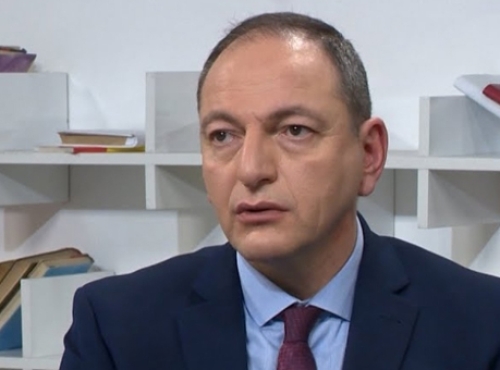
The Ministry of Health has submitted the draft proposal for public discussion and plans to appoint Samvel Khazaryan as acting director of the fund. Khazaryan currently heads the State Health Agency within the ministry and has previously served as an advisor to the health minister, according to Factor.am.
On December 4, the National Assembly passed the draft law "On Universal Health Insurance" in its first reading. Alongside this, amendments to more than 20 existing laws were also approved. The bill received 68 votes in favor, with 2 against and 26 abstentions.
The initiative aims to launch a universal insurance system in phases, ensuring coverage for the primary healthcare needs of all Armenian citizens. While comprehensive, the system will not cover every individual medical need. Its core goal is to reduce the burden of disease and mortality by ensuring better healthcare outcomes.
Previously, Health Minister Anahit Avanesyan outlined the regulatory framework of the legislative package in Parliament.
The system will roll out in three phases. Phase one begins in 2026, covering two groups:
Group 1 includes children under 18, adults over 65, people aged 18-65 with disabilities or functional limitations, and those scoring 28 or more in the poverty assessment system. Their insurance premiums will be fully funded by the state.
Group 2 includes citizens earning over 200,000 AMD per month. Those earning between 200,000 and 500,000 AMD will pay 129,600 AMD annually (10,800 AMD monthly). This group currently contributes 5,500 AMD to the "Zinapah" fund. Under the new system, only 1,000 AMD will go to Zinapah, with 4,500 AMD redirected to health insurance. They will also be eligible for up to 6,000 AMD in social credit refunds.
According to Minister Avanesyan, these changes will not impose additional financial burdens on the listed groups in the initial phase. For those earning between 500,000 and 1,000,000 AMD, 1,000 AMD will go to Zinapah, and 7,500 AMD to health insurance, with a monthly refund of up to 4,000 AMD.
People earning over 1,000,000 AMD will continue to contribute 15,000 AMD to Zinapah but will only receive a 4,000 AMD refund.
"Our insurance package cost—the premium—is fixed and equal for everyone. Each individual pays for their own plan. To maintain social solidarity, ensuring equal financial pressure regardless of income, the government will implement a subsidy mechanism," Avanesyan said.
The final phase begins on January 1, 2028, with the goal of achieving universal coverage by 2029.
"Our commitment is to identify problems, solve them, and ensure every citizen’s right to health through this system," the minister stated, elaborating on services available to different beneficiary groups.
According to data, children under 18 account for about 700,000 people. They currently receive services under the state order program, which has expanded since its 2019 introduction. Over 400,000 citizens are over age 65. This group will be eligible for essential medical care with reduced expenses under the new system. The list of covered services will be broad, and compensation rates will be set by the government.