
















Azerbaijan’s Minister of Digital Development and Transport, Rashad Nabiyev, met with U.S. Assistant Secretary of Transportation Daniel Edwards to discuss ways to accelerate the implementation of the TRIPP (Trump Route for International Peace and Prosperity) initiative.
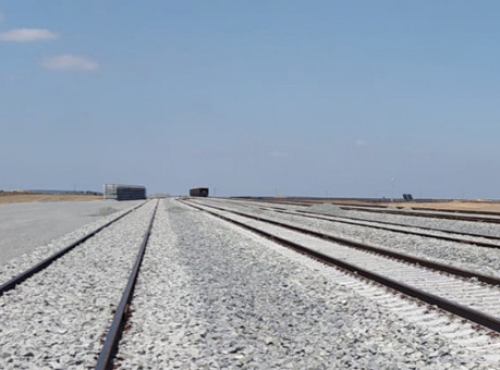
According to APA, the discussions highlighted Azerbaijan’s “strategic role as a regional transport and logistics hub”. Topics included the potential opening of the so-called “Zangezur Corridor”, steps to expedite TRIPP, and efforts to restore and modernize the railway network in Nakhijevan.
The sides also explored cooperation opportunities in other transport sectors, such as aviation, maritime shipping, and collaboration within international organizations.
Separately, Azerbaijani Prime Minister Ali Asadov told parliament that the “Zangezur Corridor” would soon become “a critical new transport route”. While presenting the 2026 state budget draft, he emphasized its future importance in both the Middle Corridor and North-South transport frameworks.
In Washington, Armenian, Azerbaijani, and U.S. leaders—Nikol Pashinyan, Ilham Aliyev, and Donald Trump—formally agreed on the launch of Trump’s Route, which will allow Azerbaijan access to Nakhijevan while fully respecting Armenia’s sovereignty. Armenia is also entering an exclusive partnership with the U.S. to develop this corridor. The agreement allows for infrastructure development rights—initially for up to 99 years, with a promise to renew for another 99 years. Trump stated that U.S. companies are eager to invest, and all three nations are expected to benefit economically.
On September 11, Pashinyan stated that Armenia had not leased land to the U.S. for 99 years, but had granted construction rights instead.