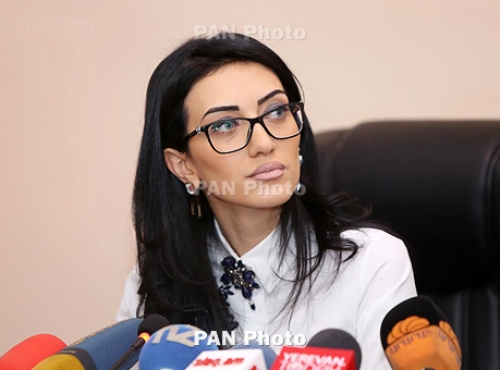















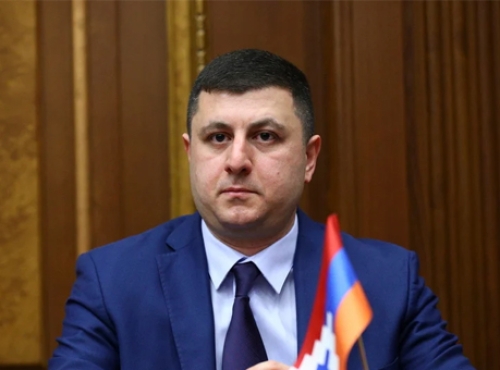
Thirty-four years ago, on February 26, the Artsakh self-defense forces conducted an operation to neutralize the firing positions in Ivanian (Khojaly), National Assembly member Tigran Abrahamyan wrote on his Facebook page.
He stressed that civilians left toward Aghdam through a humanitarian corridor provided by Armenians.
“Mercenaries who had been keeping Stepanakert and nearby settlements under constant fire were put out of action, along with the means used — Grad multiple rocket launchers, Alazan systems, artillery and armored vehicles that regularly targeted the civilian population.
After that operation, once civilians exited through the humanitarian corridor provided by Armenians toward Aghdam — territories under Azerbaijani control — some of them, as a result of internal political clashes, were subjected to torture and killed by Azerbaijanis.
This event became one of the most disgraceful pages in Azerbaijan’s modern history: internal hostility and hatred led to crimes against their own people.
Although later Azerbaijanis attempted to attribute certain episodes to Armenians in order to overcome the national shame, it was already too late, because as early as 1992, various international journalists and documentarians had recorded the Azerbaijani crime and the location, and this remains a lasting stigma on the Azerbaijani people,” the post says.
Azerbaijanis attempt to assign responsibility for the Khojaly tragedy to Armenians; however, this was also publicly denied by Azerbaijan’s then president Ayaz Mutalibov, in an interview with Czech journalist Dana Mazalova, published in the Russian newspaper “Nezavisimaya Gazeta” on April 2, 1992. Mutalibov blamed the events in Khojaly on Azerbaijan’s “Popular Front” and its leader Abulfaz Elchibey.