












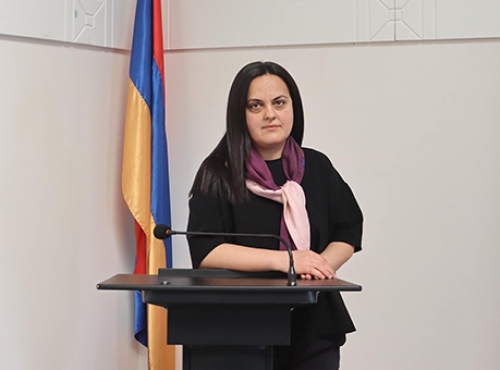
Prominent Armenian and international genocide scholars have issued an open letter to the Armenian government calling for the reinstatement of Edita Gzoyan as director of the Armenian Genocide Museum-Institute.
The letter was published by Petros Ter-Matossian, professor of history at the University of Nebraska–Lincoln, and has been signed by more than 20 scholars.
The signatories urged the Armenian government to refrain from interfering in the institute’s leadership and allow Gzoyan to continue her work without political pressure or intervention.
“We, the undersigned, express deep concern about the recent troubling developments at the Armenian Genocide Museum-Institute. On March 11, one of the most distinguished and dedicated directors in the institute’s history, Dr. Edita Gzoyan, resigned — reportedly not by free choice but under pressure from the government.
Dr. Gzoyan has raised the institute’s international academic profile. Under her leadership, the institute expanded its archival collections, organized major symposiums and conferences, and published scholarly works that have significantly advanced genocide studies worldwide.
She has advocated meticulous research into the Armenian Genocide and related atrocities committed against Armenians — work that has strengthened global understanding of past injustices and supported the recognition of historical truth. The timing and context of her forced removal are particularly concerning,” the statement reads.
The letter stresses that the Armenian Genocide Museum-Institute is “not merely a tourist attraction but a center for preserving historical memory and a stronghold against denial and distortion.”
“The leadership of the institute must be protected from political interference, not subjected to it. The forced removal of Director Gzoyan sends a chilling signal to scholars and historians worldwide that rigorous research and truthful memory can be sidelined for diplomatic convenience,” the letter says.
Earlier, Prime Minister Nikol Pashinyan said that Edita Gzoyan submitted her resignation at his instruction when asked about the resignation of the museum director.
When a journalist noted that the dismissal appeared to follow her decision to present a book about Artsakh to U.S. Vice President J.D. Vance and refer to the Artsakh issue, Pashinyan said he considered the action provocative.